

Il codice, poco più grande di una moderna cartolina, è uno dei quattro commissionati da Lorenzo nel 1492, per farne dono alle figlie Lucrezia, Maddalena, Luisa e Contessina in occasione delle loro nozze.
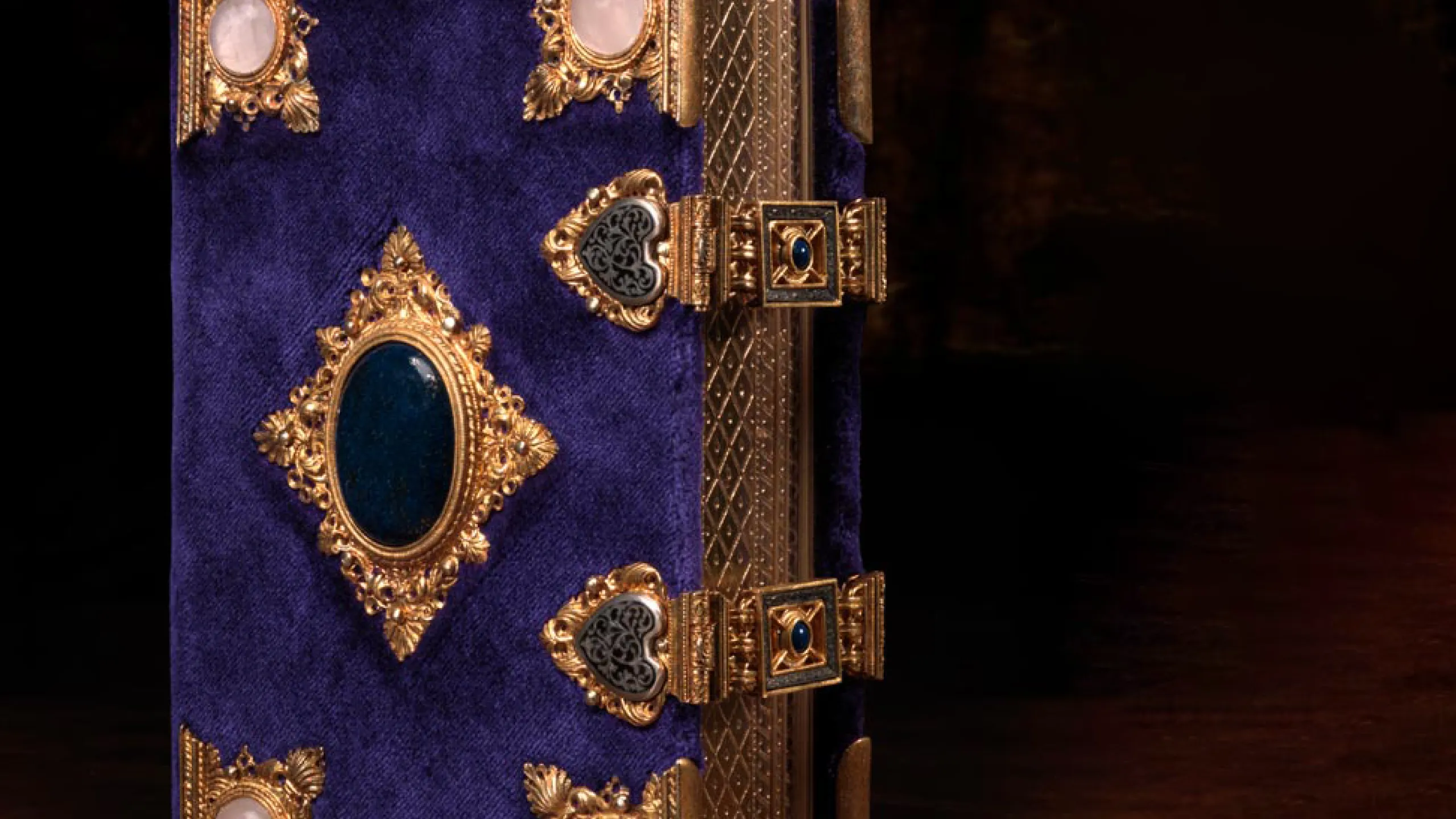
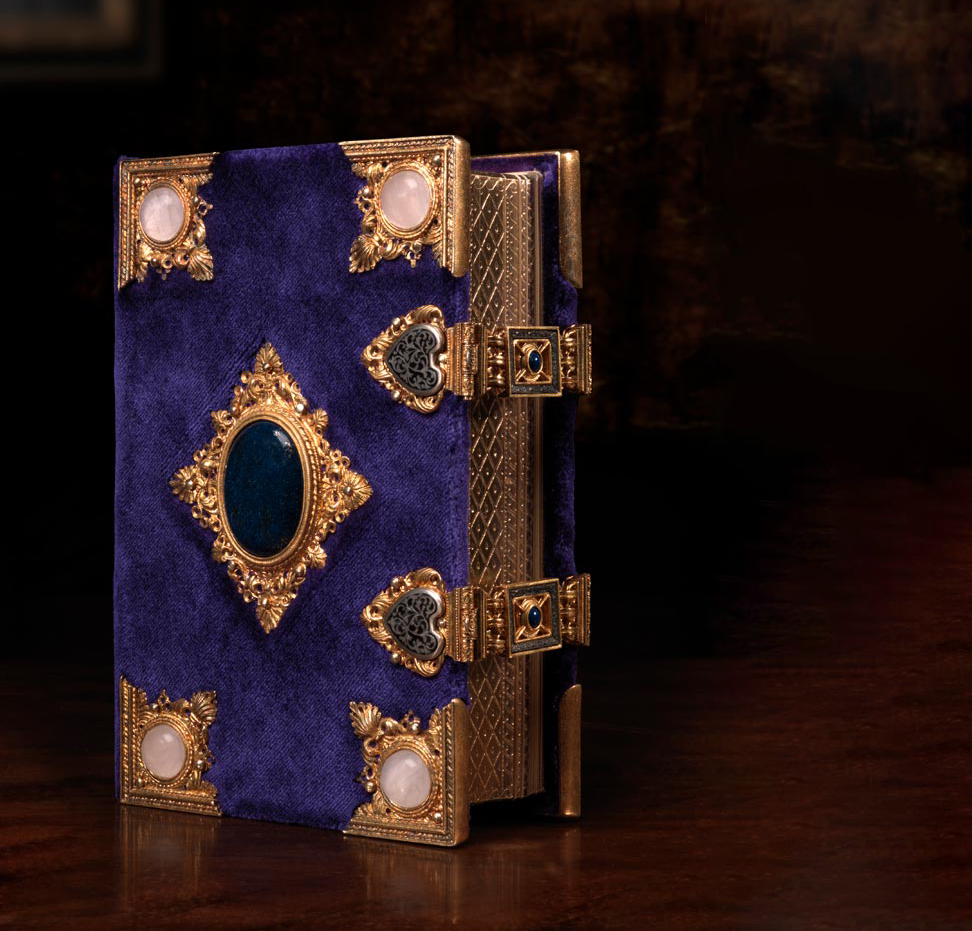
Si impone da subito per la sua straordinaria legatura in velluto viola, con borchie e cantonali in argento dorato filigranato, nei quali sono incastonati un grande lapislazzuli e quattro quarzi rosa su ciascun piatto.
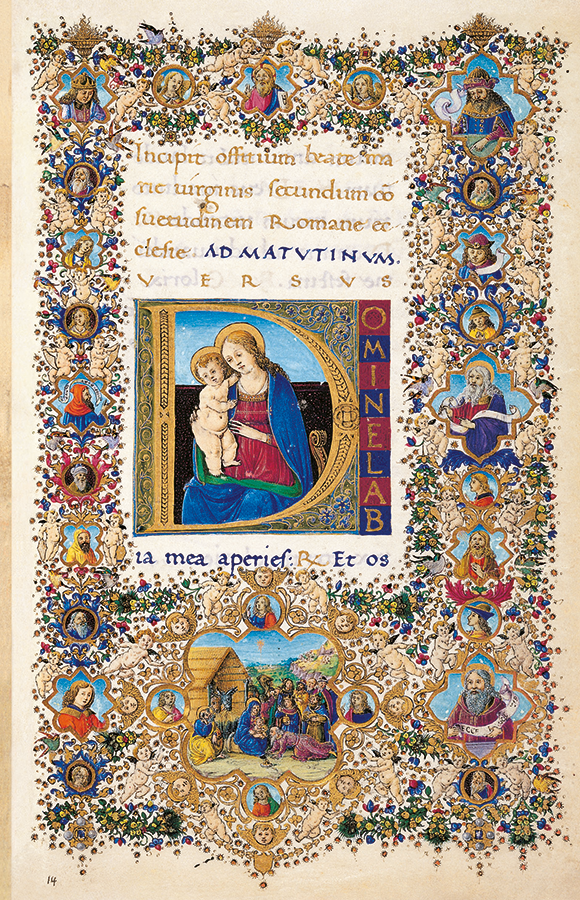
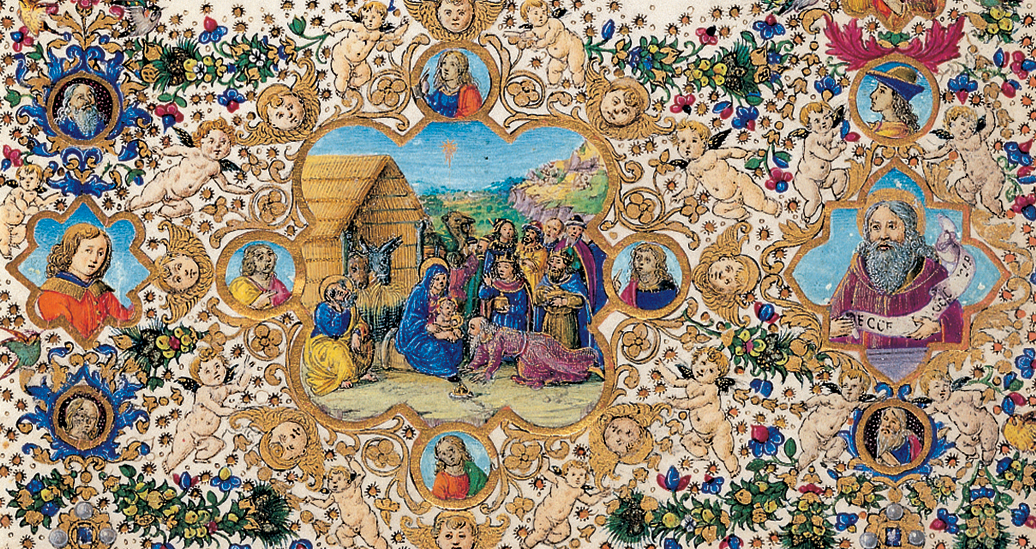
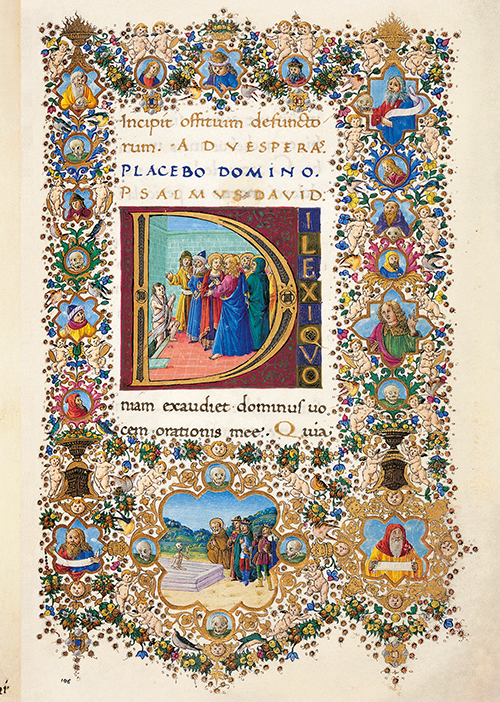
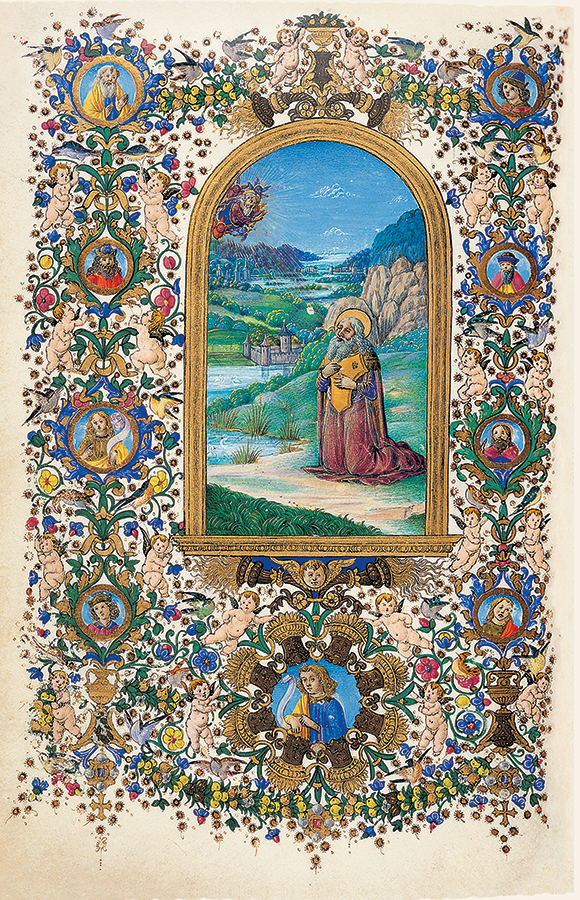
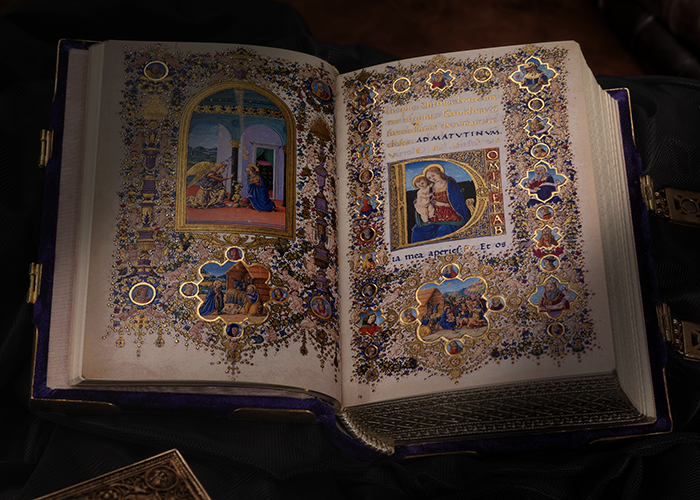
Tutto in questo codice parla di una origine e di una destinazione di prestigio; a partire dalla legatura per proseguire con la scrittura in lettera antiqua, sino al raffinatissimo corredo di miniature attribuite a Francesco Rosselli, massimo esponente della scuola fiorentina di miniatura.
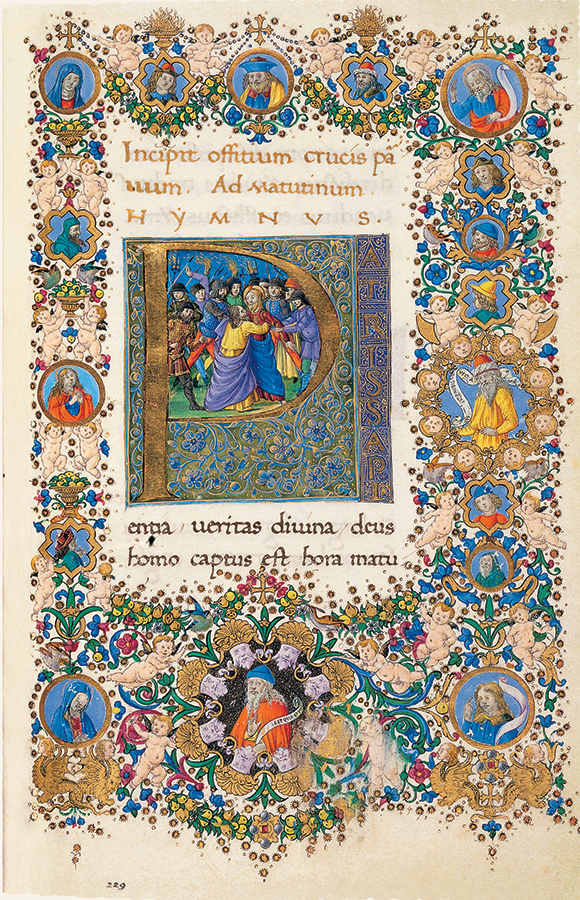
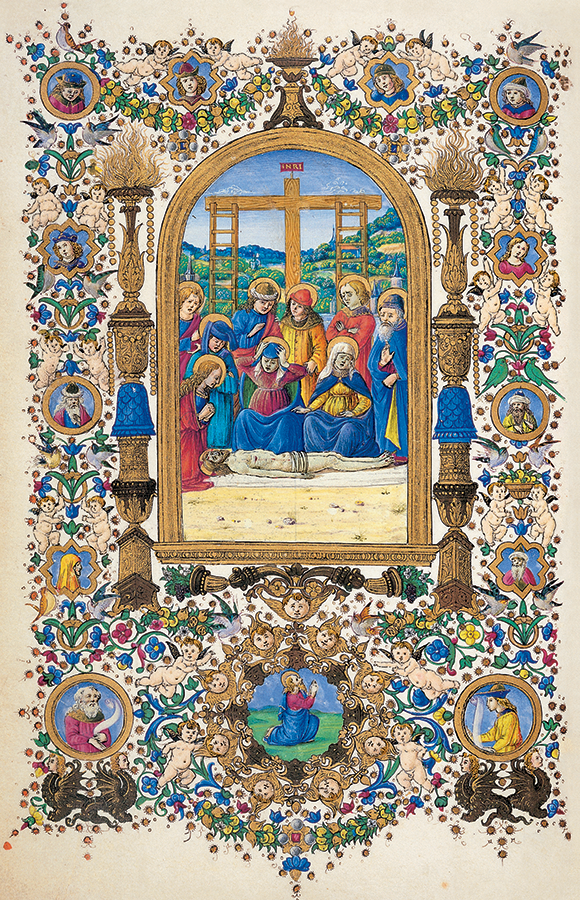
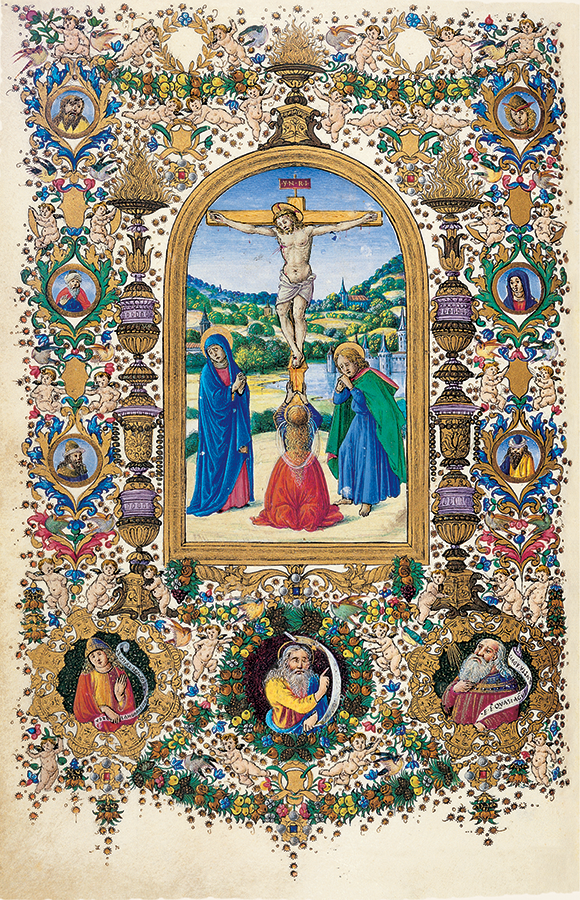
Il trionfo dell’armonia rinascimentale.
L’eccellenza dell’artigianato italiano rivive nella preziosa legatura, dalla cucitura dei quinterni alla doratura del taglio, dalla finitura degli stampi per l’oro all’applicazione delle decorazioni sul velluto.
Lapislazzuli e quarzi rosa incastonati in preziose borchie e cantonali in argento dorato filigranato, su un cangiante velluto di seta viola: un vero e proprio gioiello che Lorenzo de’ Medici volle donare alla propria figlia.
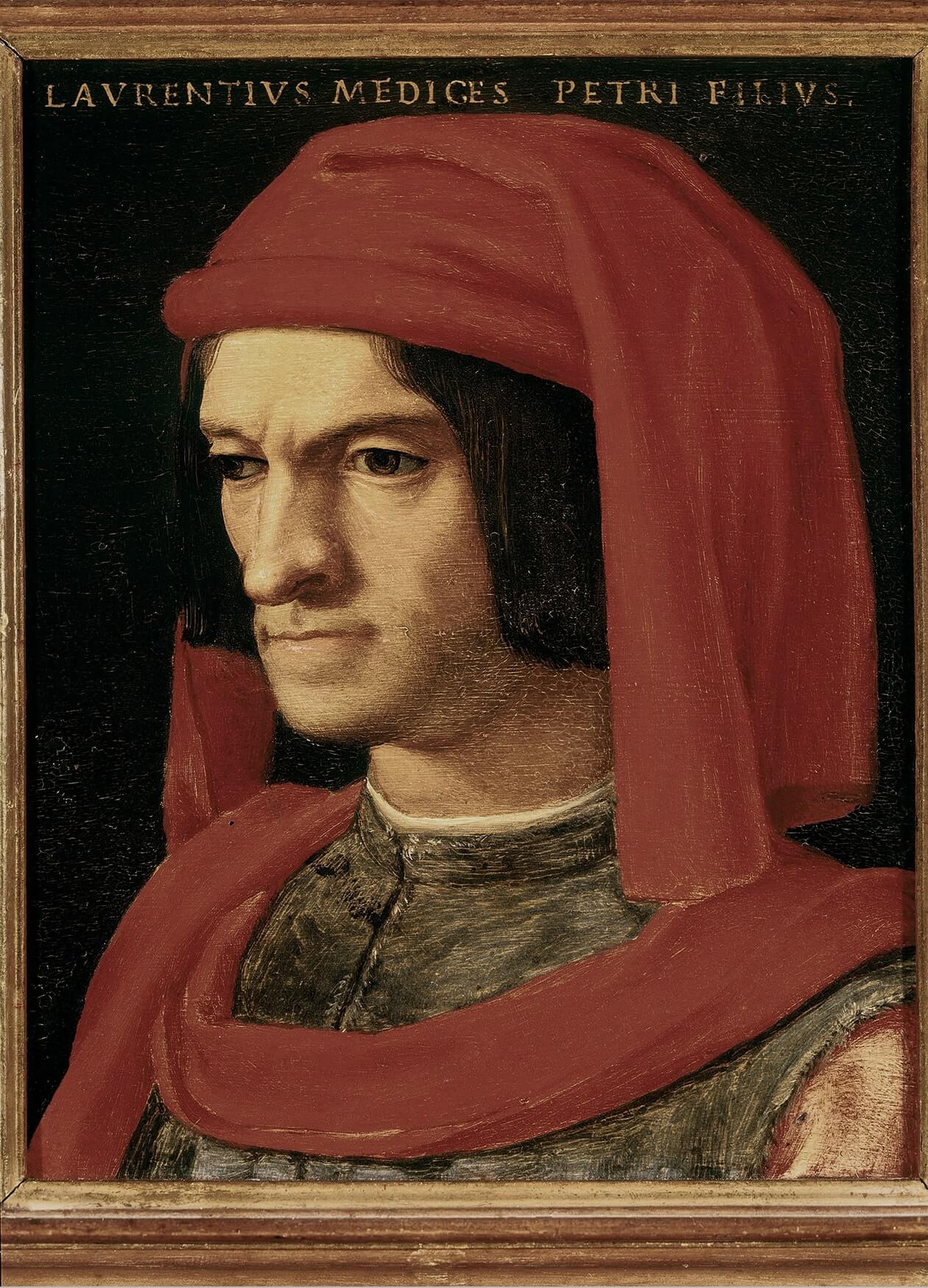
Nessuna figura incarna meglio di Lorenzo de’ Medici l’interesse a tutti i campi della conoscenza e dell’agire umano che è proprio del Rinascimento. Dalla politica all’arte militare, dalla letteratura alla filosofia, dalle arti figurative alla musica, non c’è campo del quale Lorenzo non avesse una profonda curiosità e il più delle volte una pratica vissuta.
La sua signoria, contraddistinta da una non comune abilità diplomatica che ne fece la figura intorno alla quale ruotò tutta la vicenda politica italiana dell’epoca, si caratterizzò anche per una costante valorizzazione dell’arte e della cultura; letterati e artisti trovarono in lui un mecenate intelligente e ricettivo, tanto da fargli meritare appunto l’attributo di Magnifico.
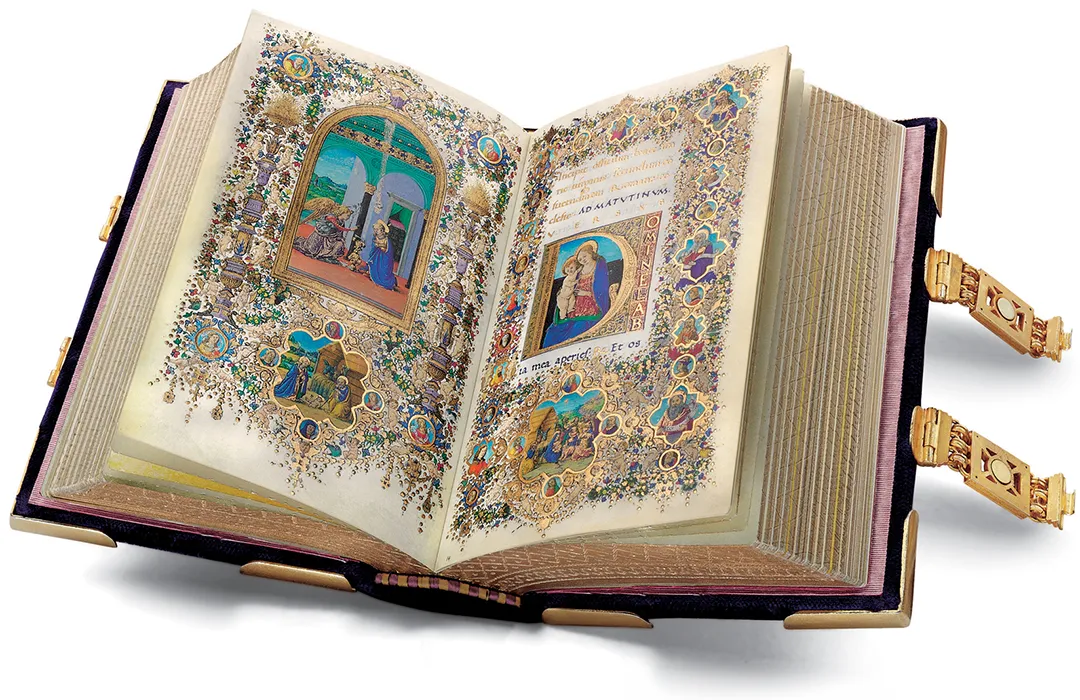
Caratteristiche dell’opera.
Riproduzione integrale del Codice Ms. Ashburnham 1874, Biblioteca Medicea Laurenziana di Firenze:
- Pagine 472 di formato cm 10,1×15,3
- Legatura a mano con copertina rivestita di velluto di seta pura. Decori in argento dorato con lapislazzuli e quarzi rosa
- Tiratura di 980 copie numerate e certificate
- L’opera è accompagnata da un volume di commento a cura di Franca Arduini ed è presentata in un prezioso cofanetto